
Womens Premier League (WPL): History, Teams and Winners
Womens Premier League (WPL): History, Teams and Winners The launch of the Womens Premier League (WPL) in 2023 was a landmark moment for Indian sports. As a franchise-based T20 league for women cricketers, the WPL bridged the gap between aspiration and opportunity, bringing world-class talent to Indian fans on a new stage. Created by the Board of Control for Cricket in India (BCCI), the league quickly became one of the most-watched and celebrated women’s sports events in the country. From its formation to iconic match moments and impact on global cricket, here’s everything you need to know about the WPL. What is the Womens Premier League? The Women’s Premier League is India’s premier T20 cricket competition for female cricketers. Much like the men’s IPL, WPL is built around franchises, auctions, and city-based rivalries. It provides both international and domestic women players with a platform to showcase their skills in front of massive audiences. It’s more than just a league—WPL is a movement toward equality, professionalism, and visibility for women athletes. The Formation and Background of WPL Before WPL, Indian women’s cricket had little to no exposure to franchise cricket. Although there were exhibition matches under the Women’s T20 Challenge (2018–2022), they lacked structure and audience appeal. Following India’s performances in the 2017 ODI World Cup and the 2020 T20 World Cup, public interest surged. In 2022, BCCI formally announced the creation of WPL. The inaugural franchise auction was held in January 2023, where five teams were bought by top Indian business groups. Timeline: March 2022 – BCCI proposes full-scale women’s IPL October 2022 – Confirmation of a 5-team league January 2023 – Franchise bidding and player auction March 4, 2023 – First WPL match played This moment marked a turning point for women’s sports in India, both in perception and in professional opportunity. Franchises and Ownership Five franchises participated in the inaugural season, each representing major Indian cities and owned by companies also involved in the men’s IPL. WPL Teams and Owners: Players from India, Australia, England, the West Indies, South Africa, and New Zealand were picked during a live auction event. Indian opener Smriti Mandhana became the highest-paid player, bought for ₹3.4 crore by RCB Women. WPL 2023: The Debut Season The first season of the Women’s Premier League ran from March 4 to March 26, 2023, and was held in Mumbai. Matches were hosted at the DY Patil Stadium and Brabourne Stadium. The tournament followed a round-robin format where all five teams played each other twice. The top team went directly to the final, while the 2nd and 3rd played an eliminator. Key Results: Finalists: Mumbai Indians vs Delhi Capitals Winner: Mumbai Indians Women Result: Mumbai won by 7 wickets Venue: Brabourne Stadium, Mumbai Harmanpreet Kaur led the Mumbai side with confidence, supported by international stars like Hayley Matthews and Nat Sciver-Brunt. Delhi Capitals, under Meg Lanning, dominated the league stage but stumbled in the final. Star Performers – 2023 Hayley Matthews: Player of the Tournament Meg Lanning: Orange Cap winner (most runs) Sophie Ecclestone: Among the top wicket-takers Shafali Verma: Known for aggressive power-hitting The first season ended with packed stadiums, record-breaking digital viewership, and rising excitement for the next edition. WPL 2024: Bigger, Bolder, Better The second season of WPL was held from February to March 2024, showcasing more polished performances, fresh talent, and better league management. The same five franchises returned with revised squads, stronger combinations, and fierce rivalries. Delhi Capitals once again topped the league stage but failed to lift the trophy, while RCB Women and MI Women remained strong contenders. WPL 2024 Points Table: Team Matches Wins Losses Points NRR Delhi Capitals Women 8 6 2 12 +1.198 Mumbai Indians Women 8 5 3 10 +0.024 RCB Women 8 4 4 8 +0.306 UP Warriorz 8 3 5 6 -0.371 Gujarat Giants 8 2 6 4 -1.158 This season brought even more attention to Indian youngsters who emerged as top performers. The league saw improved fitness levels, faster fielding, and closer finishes. Top Players in WPL (2023–2024) Several players left their mark on the league during its first two seasons. Meg Lanning – Reliable captain and top run-scorer Hayley Matthews – Match-winner with bat and ball Harmanpreet Kaur – Consistent captaincy and middle-order power Shafali Verma – Opening explosiveness Ellyse Perry – All-round contributions and big-match performances These players not only lit up the scoreboard but also inspired thousands of young girls watching across India. Key Impacts of the WPL The Women’s Premier League is more than just cricket. It represents a social shift in how women’s sports are viewed in India. Top 5 Impacts of WPL: Increased fan base for women’s cricket across all age groups. Higher salaries and financial security for women cricketers. Media visibility with live TV, online streaming, and sponsorships. Emergence of new domestic talent from smaller cities and academies. Corporate investment and endorsements, previously rare in women’s sports. The WPL is now seen as a key part of India’s broader sports ecosystem, creating jobs, fan communities, and marketing opportunities. The Road Ahead: Future of WPL As of 2025, the BCCI is reportedly planning to expand the league to 6 teams, possibly bringing in cities like Kolkata or Chennai. There’s also speculation about longer seasons, home-away matches, and possibly organizing matches in Tier-2 cities to grow the sport further. Future plans include: More cities and franchises U-19 and developmental leagues tied to WPL teams International broadcasting partnerships WPL-themed merchandise, fan zones, and meet-ups Conclusion The Women’s Premier League is already rewriting the script of Indian cricket. In just two seasons, it has empowered women cricketers, inspired fans, and opened up new opportunities across the cricket ecosystem. With growing investment, fan interest, and talent, WPL is poised to become one of the biggest women’s leagues globally. From its humble beginning to a powerful present, the WPL is proving that when given the right platform, women’s cricket can shine just as brightly—and sometimes even brighter—than any other sport.
Women’s Big Bash League (WBBL): Teams, History, Records & 2025 Updates
Women’s Big Bash League (WBBL): Teams, History, Records & 2025 Updates The Womens Big Bash League (WBBL) is one of the most exciting women’s cricket leagues in the world. It began in 2015 and takes place in Australia every year. The league gives female cricketers a powerful platform to showcase their skills. It also helps grow women’s cricket not just in Australia but worldwide. In this article, you will discover everything you need to know about the WBBL — its teams, format, top players, famous records, and the latest updates for the 2025 season. What is the Womens Big Bash League? The WBBL is a professional Twenty20 (T20) cricket league for women. Cricket Australia started it to make women’s cricket more visible and to provide players with professional opportunities. Since its beginning, the league has seen great success and is now followed by millions of fans. Each match is fast-paced, exciting, and full of action. The league has helped many women players gain fame and grow financially. It has also inspired young girls to take up cricket as a serious sport. Here are five important things about WBBL: Started in 2015 by Cricket Australia Played in the T20 format Features 8 city-based teams Runs from October to December Broadcast in over 20 countries Teams in the WBBL There are eight teams in the Women’s Big Bash League. These teams are based in major cities across Australia and are aligned with the men’s BBL teams. Each team comprises a mix of Australian talent and international stars. The teams compete with each other across the season to make it to the playoffs and eventually win the trophy. Sydney Sixers Sydney Thunder Melbourne Stars Melbourne Renegades Brisbane Heat Perth Scorchers Adelaide Strikers Hobart Hurricane How the Tournament Works The WBBL follows a league and playoff format. During the league stage, each team plays 14 matches — both home and away. The top four teams at the end of the league round qualify for the playoffs. The playoffs include an Eliminator, a Challenger, and the Final. This format ensures that every match matters and keeps the excitement alive till the very end. Points are awarded based on match outcomes. A team gets two points for a win, one point for a match with no result, and zero points for a loss. Teams aim to finish in the top four to get a chance to win the title. Special rounds like the Indigenous Round and Pride Round are held during the season to promote diversity and community engagement. Some matches are held under lights while others are day games. What’s New in WBBL 2025? The 2025 season promises to be the biggest one yet. The tournament is expected to begin in October and end by early December. Though the official fixture list hasn’t been released, fans can expect thrilling matches across iconic stadiums. Teams have already started signing big names. We will see many international players from countries like India, England, New Zealand, and South Africa. Young Australian cricketers will also get their chance to shine this season. More teams are focusing on building a strong mix of experience and youth. WBBL 2025 will be broadcast across multiple platforms. Fans in Australia can watch it live on Fox Sports, Seven Network, and Kayo Sports. Fans from other countries can stream matches on ICC.tv or their local sports channels. The viewing experience is set to improve with better coverage, commentary, and real-time statistics. Records That Made History The WBBL has created many unforgettable moments over the years. Top players have broken records, and teams have given fans a lot to cheer about. Beth Mooney is one of the highest run-scorers in the league with over 5051 runs. Ellyse Perry and Sophie Devine have also consistently scored heavily season after season. On the bowling side, Jess Jonassen leads the wicket charts with over 179 wickets. Megan Schutt and Sarah Aley are also among the top performers. Most Runs In WBBL (Women’s Big Bash League) Till Now (2025) Most Wickets In WBBL (Women’s Big Bash League) Till Now (2025) Teams like Sydney Thunder and Brisbane Heat have posted some of the highest scores in WBBL history. Their aggressive style of play and fearless batting have set many benchmarks for others to follow. Every season brings new records and showcases how much the league has grown. Players to Follow This Season The 2025 WBBL season will feature many top stars and promising newcomers. Ellyse Perry, who plays for the Sydney Sixers, continues to be one of the best all-rounders in the world. Her ability to lead, bat, and bowl makes her a key player. Beth Mooney, playing for the Perth Scorchers, is known for her consistency and calm batting style. Sophie Devine from New Zealand is another star to look out for — her aggressive batting and handy bowling make her a match-winner. Some young players are also expected to make a big impact this year. Phoebe Litchfield from Australia has already shown great promise. Shafali Verma from India is known for her attacking game. England’s Alice Capsey is another rising star who could shine this season. How WBBL Changed Women’s Cricket The WBBL has had a huge effect on women’s cricket. Before the WBBL, many female cricketers had few opportunities to play on a big stage. Now, with regular matches, big crowds, and strong media coverage, women’s cricket is getting the attention it deserves. More girls in Australia are playing cricket now. Many young players say they were inspired by watching the WBBL. The league has helped create full-time careers for many women. Players are now better paid and more respected. The success of WBBL has also encouraged countries like India and England to start their leagues, like the Women’s Premier League (WPL) and The Hundred. Watching the WBBL Live Watching the WBBL is easy and fun. In Australia, matches are shown on Channel 7 and Fox Sports. Fans who prefer online streaming can use the Kayo
Big Bash League Winner List: Champions from 2011 to 2025
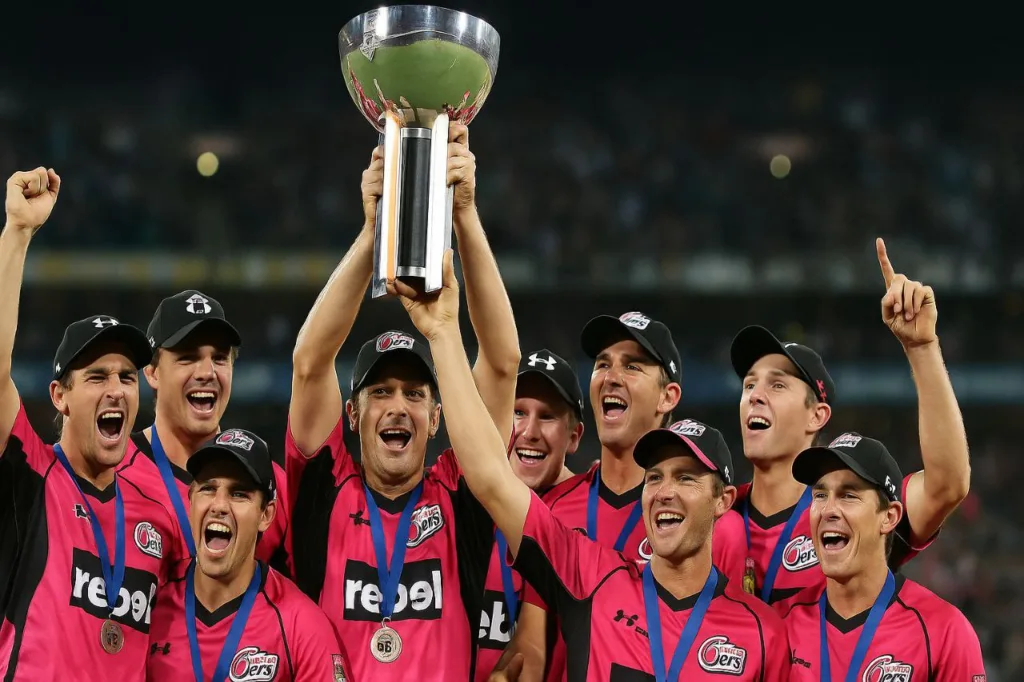
Big Bash League Winner List: Champions from 2011 to 2025 The Big Bash League (BBL) has taken the world by storm since its launch in 2011. With explosive batting, thrilling finishes, and an electric fan atmosphere, the BBL has become one of the world’s top T20 leagues. In this blog, we’ll dive into the complete Big Bash League winner list, explore the most successful teams, and revisit some of the most iconic finals in BBL history. What is the Big Bash League? The Big Bash League, commonly known as the BBL, is Australia’s premier T20 cricket league. Organised by Cricket Australia, it began in 2011 and features eight city-based franchises: Sydney Sixers Sydney Thunder Melbourne Stars Melbourne Renegades Brisbane Heat Perth Scorchers Adelaide Strikers Hobart Hurricanes With world-class international and domestic players, the BBL brings fireworks every Australian summer. Big Bash League Winner List (2011–2025) Here’s the complete BBL winner list, featuring the champions, runners-up, final venue, and Player of the Match: Note: The 2024–25 result is based on the latest available reports. BBL Titles by Team – Who Has Won the Most? The Perth Scorchers lead the pack with a record number of titles. Here’s a breakdown: Most finals played: Perth Scorchers (8 finals) Most consistent team: Sydney Sixers (7 appearances in finals) Still chasing their first title: Melbourne Stars Most Memorable BBL Finals Let’s revisit 3 of the most unforgettable finals in BBL history: 2018–19: Melbourne Derby Final The Renegades vs. Stars showdown ended in a dramatic collapse by the Stars after a strong start. Dan Christian’s all-around brilliance turned the match. Renegades won their maiden title in front of home fans at Marvel Stadium. 2022–23: Perth vs Brisbane Heat Brisbane Heat looked set to win until Ashton Turner pulled off a masterclass finish. A nail-biting final over saw Perth clinch their fifth title. 2015–16: Thunder’s Maiden Glory Led by Usman Khawaja’s 70, the Thunder overcame Melbourne Stars in a thrilling final at the MCG. Key Players in BBL Final Wins Some players consistently deliver under pressure in BBL finals: Ashton Turner (Perth Scorchers) – Captain, finisher, and clutch performer. Dan Christian (Renegades & Sixers) – Known for his all-around impact in finals. Jake Weatherald (Strikers) – Century in a final, a rare feat. Josh Philippe (Sixers) – Key in back-to-back titles. Player with the most “Player of the Match” awards in finals: Ashton Turner – 2 BBL Trends and Stats Over the years, some patterns have emerged: Batting First Wins: 9 times Chasing Wins: 5 times Home Ground Advantage: Only 6 teams have won finals at home Who Will Win the Next Big Bash? Looking ahead to BBL 2025–26: Favourites: Perth Scorchers (deep squad, strong local core) Challengers: Sydney Sixers, Brisbane Heat Dark Horse: Melbourne Stars – still seeking their first title. With young guns rising and internationals adding spice, the next edition could be full of surprises! Conclsiion The Big Bash League winner list tells a story of dominance, drama, and evolving T20 excellence. From Perth Scorchers’ supremacy to breakthrough wins by underdogs, the BBL has created countless cricketing memories.
India vs England Test Series 2025: Historic Rivalry, Stats
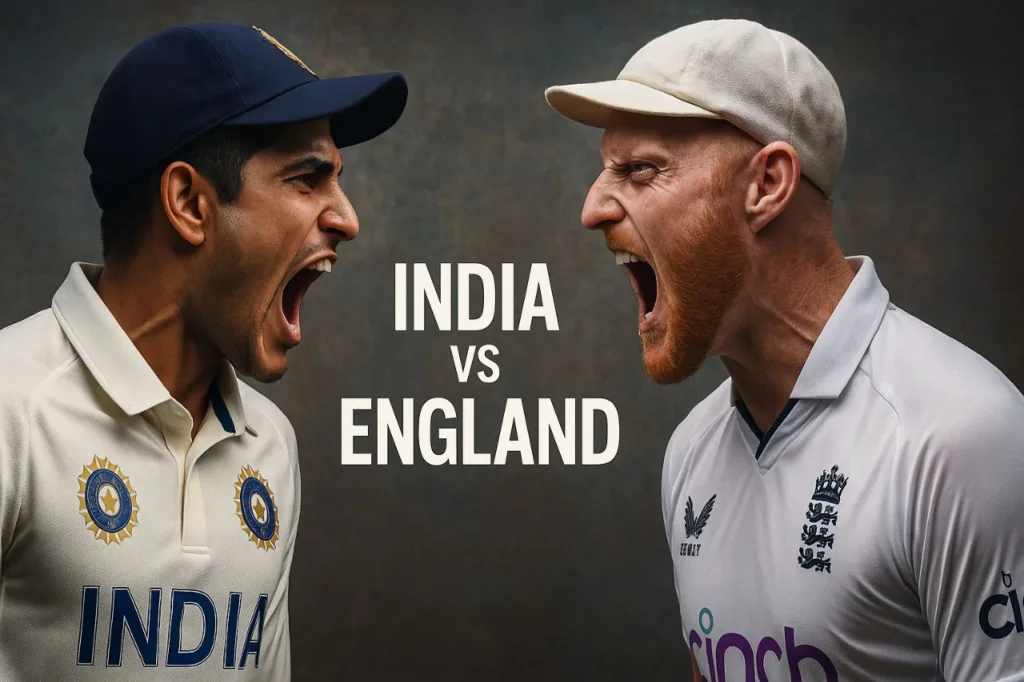
India vs England Test Series 2025: Historic Rivalry, Stats The India vs England Test Series has long been one of the most thrilling rivalries in international cricket. Spanning nearly a century, this iconic contest represents not just two great cricketing nations but also a deep-rooted competitive spirit that has given birth to many unforgettable moments. As we approach the India vs England Test Series 2025, all eyes are set on June 20, when the two sides clash in the opening Test at Headingley. With India coming off a historic WTC triumph and England looking to assert dominance at home, the stakes couldn’t be higher. Historical Background First Test Encounter The history of this rivalry began in 1932 when India played its first-ever Test match at Lord’s, London. Led by C.K. Nayudu, India fought bravely but lost the match by 158 runs. That game laid the foundation for what would become one of Test cricket’s richest legacies. Evolution of the Rivalry Over the decades, the contest has evolved with dramatic tours, individual brilliance, and memorable series. The 1971 Indian tour of England marked their first Test series win in England under Ajit Wadekar. In the early 2000s, England began to dominate at home, while India started conquering their opponents on home soil with their spin might. Iconic Moments 2002 Headingley Test: Dravid, Tendulkar, and Ganguly powered India to a rare win in seaming English conditions. 2012 Mumbai Test: England scripted a dramatic comeback on a turning track with Kevin Pietersen’s masterclass. 2021 Lord’s & Oval Tests: India outplayed England in swinging conditions, with memorable bowling performances from Bumrah and Siraj. Head-to-Head Statistics (as of 2025) Notable Records: Highest team total: England – 710/7d (1950s) Best bowling figures in a match: Jim Laker – 19 wickets (1956) Most runs (overall): Joe Root – 2846 runs vs India Most wickets (overall): James Anderson – 149 wickets vs India The numbers reflect England’s historical edge, especially at home. However, in recent years, India has significantly closed the gap, particularly through away wins and improved fast-bowling performance. India vs England Test Series 2025: Schedule & Venues The England tour marks India’s first complete red-ball series, featuring five Test matches scheduled at iconic venues across the country. Expected Schedule: India vs England Test Series 2025 1st Test • Headingley • 20–24 June 2025 2nd Test • Edgbaston • 2-6 Jul 2025 3rd Test • Lord’s • 10-14 July 2025 4th Test • Old Trafford • 23-27 July 2025 5th Test • Oval • 31 Jul – 04 Aug 2025 1st Test Preview – 20 June 2025 Team Form and Build-Up Gautam Gambhir and Shubman Gill didn’t hold back in their latest interview—India is here to dominate. With a fiery mix of youth and experience, the squad is locked, loaded, and ready to dismantle England. England, despite recent inconsistency, will be a tough team to beat at home. The Bazball strategy may see evolution in this series, with a focus on balancing aggression and control. Key Players to Watch India Sai Sudarshan: Having a fabulous season in the IPL he will try to conquer England. Yashasvi Jaiswal: Aggressive left-handed opener, crucial for fast starts. Jasprit Bumrah: The pace spearhead, vital with the new ball in English conditions. England Joe Root: Technically sound, dependable, and dominant against India. Ben Stokes: Captain, all-round threat, and England’s emotional leader. Chris Woakes: a bowling all-rounder who can take wickets early in the innings. Pitch & Weather Conditions Headingley is known for: Flat and batsman-friendly conditions Seam movement early on Days 1 and 2 Support for batsmen once the ball gets old Overcast weather is expected, favouring bowlers, making Days 1 and 2 critical for both teams. Player Stats to Watch Although Virat Kohli and James Anderson are absent from this Test series due to their recent retirements from red-ball cricket, fans will be eager to witness strong performances from stars like KL Rahul, Ravindra Jadeja, Ben Stokes, and Jasprit Bumrah. Most Runs For India vs England Tests (1932-2025) Most Wickets For India vs England Tests (1932-2025) What Makes This Rivalry Special Legacy vs Modern Power: England has the tradition, India has the modern dominance. Conditions Clash: England thrives on swing and seam, while India dominates spin conditions. Crowd and Culture: The Indian diaspora in the UK brings the series to life. Verbal Duels & Passion: From Jaiswal’s explosive batting to Stokes’ resilience, passion defines this series. This rivalry often produces edge-of-the-seat action and sees two contrasting styles of cricket collide. Fan Expectations & Expert Predictions The fanfare around this series is massive. The Headingley Test is already sold out, and tickets for Lord’s and The Oval are seeing record demand. Pundit Predictions: Former England captain Michael Vaughan predicts a 3–2 England win if they maintain consistency. Former India coach Ravi Shastri backs India’s fast-bowling unit to dominate. Neutral experts see a tightly contested series with India having the slight edge due to momentum from the WTC win. Key Takeaways The India vs England Test Series 2025 is set to reignite one of cricket’s greatest rivalries. Historical statistics favour England, but recent form backs India. June 20 at Headingley is the big kick-off – a match that could set the tone for the rest of the series. Key players, such as Kohli, Root, Bumrah, and Anderson, will be under the spotlight. Weather, pitch, and pressure will all play crucial roles. Conclusion The India vs England Test Series is not merely another encounter; it represents a storied rivalry between two cricketing powerhouses. With India entering the series on a wave of confidence under the leadership of Shubman Gill, and England undergoing a strategic revival led by Ben Stokes, the 2025 edition is expected to deliver high-quality Test cricket. The journey from cricket’s earliest Tests to the modern World Test Championship begins with the influence of the Godfather of Cricket,Godfather of Cricket, W.G. Grace, and this upcoming clash continues that timeless legacy. June 20, 2025, is a date all cricket enthusiasts should note—an iconic
World Test Championship Winner List: Full History, Stats & Stars
World Test Championship Winner List: Full History, Stats & Stars The World Test Championship (WTC) has added purpose to the longest format of the game. Since its introduction by the ICC, the WTC has transformed Test cricket into a structured, points-based competition culminating in a final to determine the world’s best Test team. In this article, we explore the World Test Championship winner list, provide insights into the history of the WTC, and highlight the players with the most runs and most wickets in WTC history. History of the World Test Championship The WTC was officially launched by the ICC in 2019. The idea was to bring a “World Cup” format to Test cricket. Test matches were becoming less relevant with the rise of T20S. ICC wanted a solution to revive interest. Earlier plans for a Test league started in 2009. However, they were postponed multiple times. Finally, the 2019–2021 cycle became the first official edition. Each team played six series – three at home, three away. Points were awarded per match based on results. The top two teams played in a final. World Test Championship Winner List Here is the list of WTC winners from all completed editions: 2019–21: New Zealand’s Historic Win New Zealand beat India by 8 wickets in the inaugural final. Kyle Jamieson was the star. He took 7 wickets and dismissed Virat Kohli twice. Kane Williamson anchored the chase with a gritty 52*. 2021–23: Australia’s Dominance Australia crushed India by 209 runs. Travis Head smashed 163 and was Player of the Match. Pat Cummins led a ruthless bowling attack. India, despite reaching two finals, remained without a WTC title. 2023-2025: South Africa’s comeback South Africa ended a 27-year wait for an ICC trophy, becoming World Test Champions. Aiden Markram’s brilliant 136 and Temba Bavuma’s brave, pain-defying stand powered a stunning comeback, marking a historic moment in South African cricket history. Most Runs in World Test Championship (2019–25) Consistency matters in a two-year Test cycle. These batters have stood out in WTC history: Key Player Highlight: Joe Root Root led England’s batting with style and class. His double hundreds against India and Sri Lanka were match-winning gems. He also scored 11 centuries during the WTC cycles. Most Runs in World Test Championship Finals (2019–25) Most Wickets in World Test Championship (2019–25) Let’s celebrate the bowlers who turned matches with their skills and stamina: Key Player Highlight: Ravichandran Ashwin Ashwin was a constant threat on turning tracks. He picked up key wickets in India and abroad. His variations and control made him a nightmare for left-handers. While the ICC World Test Championship showcases the best of Test cricket, fans can also explore the complete ODI World Cup winner list to see how teams have dominated the limited-overs format over the years. Most Wickets in World Test Championship Finals (2019–25) Notable Records in WTC Here’s a quick look at standout records from both editions: Highest Team Total: England – 657/10 vs Pakistan (Rawalpindi, 2022) Highest Individual Score: Kane Williamson – 251 vs West Indies (2020) Best Bowling Figures: Nathan Lyon – 8/64 vs India (Indore, 2023) Most Catches (non-wicketkeeper): Joe Root – 34 Key Players and Their Impact Several stars left their mark on the WTC: Travis Head (AUS): Match-winner in the 2023 final. His counter-attacking century broke India’s back. Kane Williamson (NZ): Anchored the first-ever final to give New Zealand their maiden ICC title. Rishabh Pant (IND): His fearless batting in Australia and England helped India win key matches. Ben Stokes (ENG): Contributed both with bat and ball. His Ashes performances were crucial. Kagiso Rabada (SA): A wicket machine. Led South Africa’s pace attack in hostile conditions. Aiden Markram (SA): His 136 knock in the WTC final helped South Africa win the title. Impact of WTC on Test Cricket The WTC has changed how teams approach Test cricket. More focus on winning away series. Players prioritise Tests more than before. Final adds a World Cup-like thrill. Broadcasters have also seen a rise in viewership. The 2023 final had record streaming numbers. Fans now track Test rankings and points tables closely. Key Takeaway The World Test Championship (WTC) has revolutionised Test cricket by adding structure, competition, and a clear goal. Here’s what truly stands out: Meaningful Test Matches: Every Test in the WTC cycle now holds significance. No more dead rubbers. Even mid-table clashes can impact final standings. Revival of Rivalries: The Ashes, Border-Gavaskar Trophy, and other iconic rivalries now carry World Test Championship (WTC) points, making them even more intense. Recognition of Consistency: Teams like India and Australia have shown that consistency over two years is key. A single poor series can derail the journey. Spotlight on Performers: Players like Joe Root, Pat Cummins, and Ashwin have enhanced their legacy. Young talents like Travis Head proved they can perform under pressure in the finals. Global Test Cricket Growth: The WTC has given fans across countries a reason to follow Test matches outside their home nations. With every cycle, the championship gets better, sharper, and more competitive. The WTC has added pride and purpose to the longest format of the game. Conclusion The World Test Championship winner list is not just about titles. It’s about the journey, the grit, and the moments that define Test cricket. From New Zealand’s maiden ICC trophy to Australia’s crushing win in 2023, WTC finals have delivered drama, strategy, and high-quality cricket. The WTC has made players dream of winning in whites. It has made fans stay glued to five-day battles. It has made Test cricket matter again.
BCCI President List: Complete History & Current Chairman Details
The Board of Control for Cricket in India (BCCI) is the most powerful cricket governing body in the world today. From managing the Indian national team to running the globally popular IPL, its decisions shape the future of cricket. But have you ever wondered who the president of the BCCI? This article provides a detailed overview of past and present BCCI presidents, their roles, and how their leadership has helped Indian cricket reach global dominance. What is BCCI? Founded in 1928, the BCCI is a private cricket board registered under the Tamil Nadu Societies Registration Act. Although it works independently of the government, it represents India at the International Cricket Council (ICC) and organises all domestic and international matches played in India. Over the decades, BCCI has transformed Indian cricket into a global powerhouse, mainly due to its strong administrative leadership. Who is the President of BCCI? As of June 2025, the president of BCCI is Roger Binny, a former Indian all-rounder and a key figure in the 1983 World Cup-winning team. He assumed office in October 2022, succeeding Sourav Ganguly. Binny’s appointment marked a continuation of the recent trend of appointing former cricketers to top administrative roles. His presidency is focused on strengthening grassroots cricket and improving player welfare and infrastructure. BCCI President List from 1930 to 2025 Here’s a table listing key BCCI presidents and their contributions over the years: Who is the Current Chairman of BCCI? The term “Chairman” is not officially used for the BCCI’s head. The organisation’s top post is “President.” However, in casual use, many people refer to the president as the chairman. That said, the IPL Governing Council does have a Chairman, currently Arun Singh Dhumal (appointed in 2022). If you’re asking, “Who is the current chairman of BCCI?”, the answer depends on whether you mean the main board or IPL. BCCI Chairman List – IPL Governing Council When we talk about the BCCI chairman list, it usually relates to the IPL Governing Council. Here’s a snapshot of the recent chairmen: These chairmen play a crucial role in decision-making for the IPL, ensuring the smooth running of the tournament and managing commercial deals and broadcasting rights. Notable BCCI Presidents and Their Impact While every president contributed in some way, a few had a lasting influence on the board and Indian cricket as a whole. Jagmohan Dalmiya helped turn the BCCI into a financial force in world cricket. His efforts were instrumental in making India the commercial hub of the sport. Sharad Pawar, with his political background, facilitated the launch of the Indian Premier League, which revolutionised cricket. Sourav Ganguly brought a cricketer’s perspective to the board. His term was marked by support for Test cricket, pink-ball matches, and investment in young talent. Roger Binny, the current president, is prioritising infrastructure development, greater transparency, and age-group cricket reform. How BCCI Presidents Are Elected The president of BCCI is chosen through an internal election process involving its member state associations. This process has been formalised post the Lodha Committee recommendations to bring in more transparency and professionalism. Summary of the Election Process: Eligible candidates file nominations. Voting takes place among state cricket associations. A simple majority elects the president for a three-year term. Rules also include “cooling-off” periods between terms to prevent monopolies. This method ensures that leadership remains accountable and representative of the entire cricketing structure in India. How Leadership Impacts Indian Cricket BCCI presidents and chairmen don’t just manage cricket — they shape its future. From financial decisions to player support systems, their actions affect every level of the game. Some key contributions of strong BCCI leadership include: Expanding domestic cricket infrastructure. Launching and managing the IPL. Ensuring players are well-compensated and supported. Developing international relationships within the ICC. Promoting inclusivity in women’s and junior cricket. A competent president with a clear vision can have a long-lasting impact on both grassroots and elite-level cricket. Conclusion The BCCI President List is more than a record of names — it’s a timeline of Indian cricket’s rise from humble beginnings to a global superpower. From early visionaries like Anthony de Mello to modern-day reformers like Roger Binny, BCCI’s leadership has continually shaped its success. If someone asks you today, “Who is the president of BCCI?”, the answer is Roger Binny. And if you’re wondering “who is the current chairman of BCCI?”, for IPL matters, it’s Arun Dhumal. Understanding these roles helps appreciate how the board functions and why India’s cricketing dominance is no accident — it’s a result of powerful leadership.
ICC Net Worth 2025: A Deep Dive into the Global Cricket Powerhouse
ICC Net Worth 2024: A Deep Dive into the Global Cricket Powerhouse The International Cricket Council (ICC) is the governing body of international cricket. Founded in 1909, the ICC has evolved into a billion-dollar organisation overseeing the global expansion of the sport. As cricket continues to grow in popularity, particularly with the success of the T20 format, the financial standing of the ICC becomes a major point of interest. In this article, we’ll explore the ICC’s net worth in 2024, compare it with BCCI, and break down its revenue streams, expenses, and financial projections. What is the Net Worth of ICC? As of 2024, the estimated net worth of the ICC stands at approximately 1.4 billion USD. The ICC’s financial health has experienced a resurgence post-COVID-19, primarily driven by high-demand global tournaments such as the ICC Men’s Cricket World Cup 2023 and the T20 World Cup 2024. NOTE: ICC never disclose their net worth publicly; this is the estimated figure from the financial year statement. You can click this link for further information. The bulk of ICC’s earnings stems from: Broadcasting Rights (over 60% of total revenue) Sponsorship Deals Revenue from Major Tournaments ICC Net Worth in Rupees $1.4 billion USD = ₹12,000 crore INR Revenue Streams Contributing to ICC’s Net Worth ICC’s financial stability is anchored in its diverse revenue channels. Here are the key contributors: Broadcasting Rights: ICC’s deals with Star Sports and other global broadcasters have fetched billions, especially for events like the Cricket World Cup. Sponsorships: High-profile sponsors include MRF, Emirates, Oppo, and Byju’s. ICC Events: From World Cups to the Champions Trophy, the ICC’s event portfolio is a massive money-spinner. Licensing & Merchandising: ICC-branded merchandise and licensing agreements continue to grow. Key Points: Over 60% of revenue comes from media rights. Sponsorship deals cross $400 million annually. Licensing and branding add $50+ million yearly. BCCI vs ICC Net Worth Comparison While the ICC governs international cricket, the Board of Control for Cricket in India (BCCI) is financially more powerful. Why is BCCI richer than ICC? Indian market dominance: India contributes over 70% of global cricket viewership. IPL income: The IPL’s media rights (2023-2027) alone fetched over $6 billion. Sponsorship demand: Brands prefer Indian players and tournaments for visibility. BCCI has surpassed ICC in revenue consistently since 2016. BCCI generates almost 50% more revenue annually than ICC. 6. How ICC Spends Its Money? Unlike BCCI, which focuses on Indian cricket, ICC allocates its earnings across 100+ member nations. Primary Expenditures Include: Disbursements to Full & Associate Members Development Programs for Emerging Nations Organising Global Events Anti-Corruption and Umpiring Committees This spending promotes cricket globally, especially in non-traditional regions like the USA, UAE, and parts of Africa. 7. Growth of ICC Net Worth Over the Years (Timeline Overview) Here’s a look at how ICC’s net worth has evolved: 2018: 660 million USD 2020: 760 million USD 2022: 1.3 billion USD 2024: 1.4 billion USD 8. Future Projections: ICC’s Financial Path Beyond 2025 Looking ahead, ICC is banking on several key developments to grow its net worth: New Media Rights Cycle (2027-2031): Expected to be valued even higher Expansion of the T20 World Cups to more teams Push into New Markets like the US (Major League Cricket) However, ICC faces challenges too: The dominance of franchise leagues Declining interest in bilateral ODIs and Tests 9. Conclusion: ICC’s Influence in Global Cricket Through Wealth The ICC, with a net worth of over $1.4 billion in 2024, stands as a pillar of cricket governance. While financially smaller than the BCCI, it plays a critical role in expanding the sport worldwide. Its investments, revenue strategies, and partnerships are crucial to shaping the future of cricket beyond just the big nations. As media rights continue to grow, ICC’s ability to adapt to changing formats and markets will define its financial future.
Complete Guide to India National Cricket Team Coaches: History, List & Staff Structure
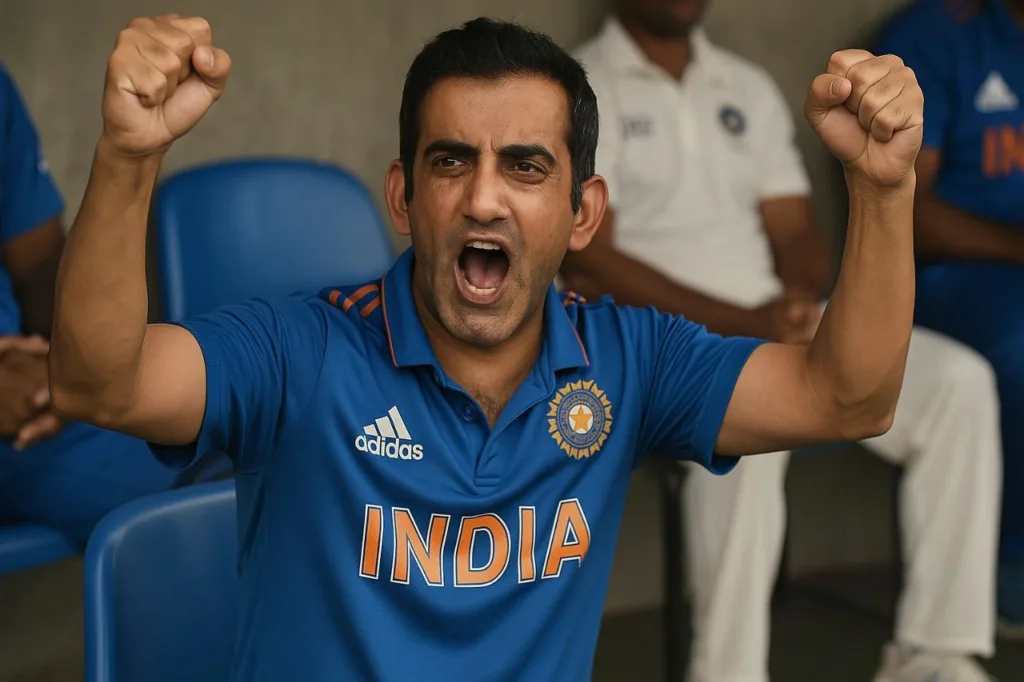
Complete Guide to India National Cricket Team Coaches: History, List & Staff Structure India’s national cricket team has seen tremendous success over the years, from memorable World Cup victories to historic Test wins abroad. Behind this success lies not only talented players but also a strong coaching foundation that plays a pivotal role in strategy, player development, and overall team performance. This blog dives into the India national cricket team coaches list, highlights the current and past head coaches, and explains the role of the coaching staff that supports the squad. India National Cricket Team Coaches List India has had a mix of domestic and international coaches over the decades. Here’s a chronological list of some of the most notable coaches who have shaped the Indian team: Highlights: India has had 9+ major head coaches since the 1990s. Foreign coaches like John Wright and Gary Kirsten made significant impacts. Recent focus has been on developing young talent and long-term planning. India National Cricket Team Head Coach The head coach of the Indian cricket team is the primary strategist and decision-maker off the field. They work closely with captains, selectors, and support staff to ensure optimal performance. Key Roles of the Head Coach Team strategy and planning Overseeing training camps and conditioning Tactical adjustments during the series Talent nurturing and mental preparation Notable Head Coaches: John Wright (2000–2005): First foreign coach, helped shape a competitive team. Greg Chappell (2005–2007): Emphasised youth but had strained relationships with senior players. Gary Kirsten (2008–2011): Mentored Dhoni’s side to the 2011 World Cup win. Ravi Shastri (2017–2021): Known for an aggressive mindset and key overseas Test wins. Rahul Dravid (2021–2024): Focuses on youth development and transition post-Kohli. Gautam Gambhir (2024-Present): He expects players to play fearless cricket, especially under pressure. “The head coach is the backbone of modern cricket, aligning vision with execution.” India National Cricket Team Coaching Staff Apart from the head coach, the Indian team has a specialised support system that contributes to player performance in all areas. Current Coaching Staff Structure: Head Coach: Gautam Gambhir Batting Coach: Sitanshu Kotak Bowling Coach: Morne Morkel Fielding Coach: T. Dilip Assistant Coach: Abhishek Nayar and Ryan ten Doeschate Responsibilities: Batting coach refines technical and situational play Bowling coach manages workload and tactical execution Fielding coach enhances reflexes, agility, and catching The fitness team focuses on injury prevention and stamina Evolution of Staff Structure: Earlier: One coach managed all aspects Now: Highly segmented roles tailored to performance metrics The Role of Coaches in Indian Cricket’s Success India’s rise in the cricketing world owes much to strategic and data-driven coaching. Milestones Enabled by Coaching: 2007 T20 World Cup (Lalchand Rajput) 2011 ODI World Cup (Gary Kirsten) Back-to-back Test series wins in Australia (Ravi Shastri) 2024 T20 World cup (Rahul Dravid) 2025 Champions Trophy (Gautam Gambhir) Coach-Driven Culture: Fitness standards Team bonding camps Video analysis and performance reviews How the BCCI Appoints National Coaches BCCI follows a structured approach to appointing head coaches and staff. Selection Process: Open applications through the BCCI announcements Evaluation by the Cricket Advisory Committee Interviews and presentations Criteria: Experience at the international/domestic level Communication and leadership skills Vision document for the team “BCCI’s coach selection process has become more transparent and merit-driven in recent years.” Conclusion From early tours managed without formal coaching to today’s sophisticated coaching frameworks, Indian cricket has undergone immense evolution. Each head coach and support staff member has played a vital role in shaping the team’s mindset and performance. As India continues to strive for global dominance across all formats, the strength of its coaching team remains a key factor in its journey.
Who is the GOAT of Cricket? A Deep Dive into the Greatest of All Time
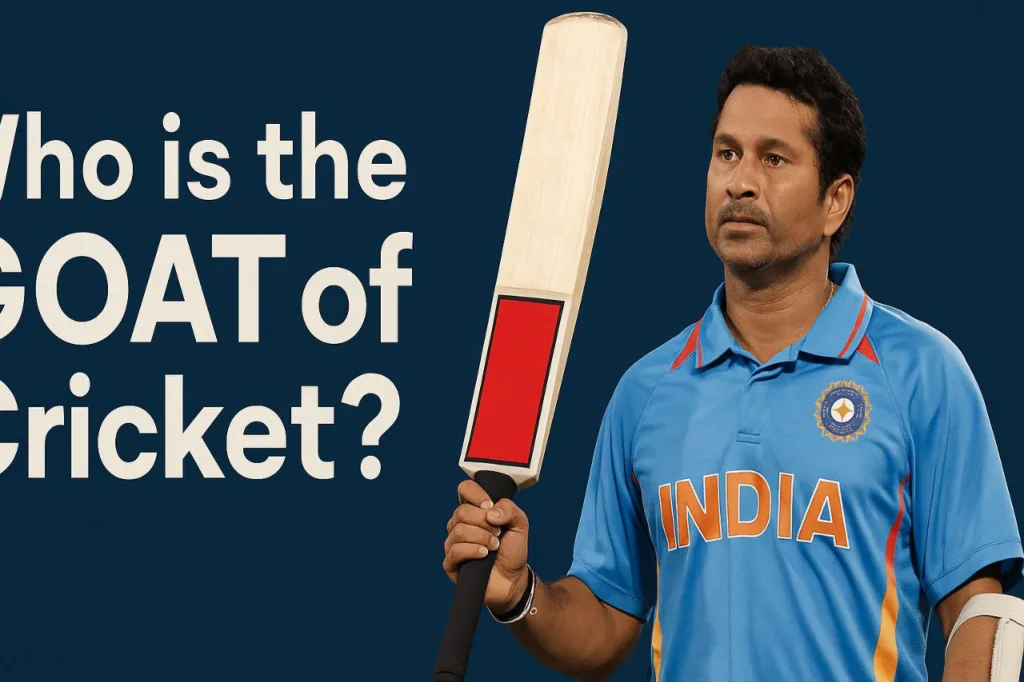
Who is the GOAT of Cricket? A Deep Dive into the Greatest of All Time In every sport, there’s always a timeless debate around who deserves the coveted title of the GOAT—the “Greatest of All Time.” In cricket, a sport rich in history, flair, and unforgettable performances, the conversation about the GOAT of cricket sparks emotions, statistics-driven discussions, and fan rivalries across the globe. While the term “GOAT of cricket” can be subjective, it represents more than just numbers. It’s about impact, consistency, and leaving a legacy that transcends generations. In this comprehensive article, we explore the legends of the game, evaluate their achievements, compare key statistics, and attempt to answer one of cricket’s most passionate questions: Who is the true GOAT of cricket? What Does “GOAT of Cricket” Mean? The term GOAT stands for “Greatest of All Time,” and in cricket, determining the GOAT involves analysing multiple aspects: Performance: Runs scored, wickets taken, centuries made, and match-winning contributions. Longevity: Sustaining high performance over years or decades. Consistency: Delivering across formats, conditions, and opponents. Legacy: Influence on the sport, fan following, and inspiration to future generations. Cricket spans across formats—Test, ODI, and T20—and comparing players from different eras makes the GOAT debate even more intriguing. Top Contenders for the GOAT of Cricket Let us delve into the careers of the top names most frequently mentioned in this debate. 1. Sachin Tendulkar – The Master Blaster The impact Sachin Tendulkar has had on cricket is incomparable. His classical technique, adaptability across continents, and ability to dominate the best bowling attacks made him a global icon. In Tests, he was the backbone of India’s batting lineup, averaging over 50 across 200 matches. In ODIs, he revolutionised the opener’s role, bringing aggression and innovation. His 2003 World Cup innings and his century against Pakistan at Centurion are legendary. Tendulkar’s sheer volume of runs and 100 international centuries make him statistically the most prolific batsman in cricket history. Beyond numbers, he carried the hopes of a billion people every time he walked to the crease. His adaptability from the swinging conditions of England to the turning pitches of India displays his all-format mastery. He was the bridge between old-school technique and the modern era of aggressive cricket. 2. Don Bradman – The Statistical Anomaly Sir Donald Bradman’s career defies conventional analysis. His Test average of 99.94 remains untouched and unlikely to be surpassed. Bradman’s ability to consistently dominate bowling attacks in an era with minimal protective gear and uncovered pitches reflects his genius. Bradman’s impact goes beyond numbers. He was a cultural icon in Australia during the Great Depression and gave people hope. Technically, his quick footwork and sharp eye-hand coordination allowed him to score at phenomenal rates. His rivals devised ‘Bodyline’ just to stop him—a testament to his threat level. He single-handedly changed the perception of batsmanship. 3. Virat Kohli – The Modern Run Machine Virat Kohli’s rise marks a new era in cricket, driven by professionalism, fitness, and intensity. His adaptability in all formats and remarkable chasing ability—particularly in ODIs—sets him apart. Kohli thrives under pressure, boasting 51 centuries in ODIs and consistent Test performances in tough conditions, including England and Australia. Kohli’s batting style is a fusion of classical strokes and modern aggression. His incredible average while chasing targets, especially in ODIs, demonstrates his temperament. Kohli’s focus on fitness has set new benchmarks in Indian cricket. Despite not having an ICC trophy as captain, his legacy as a leader is cemented through India’s overseas victories and a fierce, winning culture. 4. MS Dhoni – Captain Cool MS Dhoni’s calm demeanour, lightning-fast reflexes behind the stumps, and finishing abilities made him one of cricket’s most unique assets. His unbeaten 91 in the 2011 World Cup final is etched in Indian cricket history. As a captain, Dhoni backed young talent, transformed India into a formidable limited-overs unit, and ushered in the age of T20 success. Dhoni was more than a wicketkeeper-batsman; he was a tactician. His captaincy style—cool under pressure, trusting instinct, and nurturing young players—reshaped modern Indian cricket. His innovations, such as promoting himself up the order or using part-timers in crunch situations, redefined strategic thinking in the game. 5. Jacques Kallis – The Ultimate All-Rounder Jacques Kallis remains the gold standard for all-rounders. His ability to contribute significantly with both bat and ball is unmatched in the modern game. He was the batting anchor South Africa often relied on, averaging over 55 in Tests with 45 centuries. Kallis’s greatness lies in his balance. Very few players in history have been equally skilled with bat and ball. He could hold a batting lineup together while also being a strike bowler. His presence allowed South Africa to play with extra depth, making the team consistently competitive. Despite his achievements, he remained low-profile, letting his performance do the talking. 6. Muttiah Muralitharan – The Spin Wizard Muttiah Muralitharan mesmerised the cricketing world with his unique bowling action and unrivalled spin control. Picking 800 wickets in Tests and 534 in ODIs, Murali dominated across formats and against top opposition. Murali’s records are astonishing, but it’s how he outfoxed batsmen that made him special. His doosra, flight, and accuracy created nightmares for even the best. Bowling long spells without losing effectiveness, Murali was Sri Lanka’s match-winner in both Tests and ODIs. He overcame scrutiny over his actions with grace and came out stronger, becoming a symbol of resilience and mastery. Fan Polls and Expert Opinions on the GOAT of Cricket The debate isn’t just for statisticians; it’s a hot topic among fans and experts alike: ICC Poll (2021): Fans overwhelmingly voted for Sachin Tendulkar as the GOAT. ESPNcricinfo Panel: Bradman and Tendulkar usually top expert lists. Social Media: Kohli enjoys tremendous support among millennials and Gen Z fans. “In terms of pure impact, no one comes close to Bradman.” — Ian Chappell “Tendulkar was a phenomenon; he carried Indian cricket for decades.” — Shane Warne Personal Analysis – Who Truly is the GOAT of Cricket?
India Test Captain List: From CK Nayudu to Rohit Sharma – A Legacy of Leadership
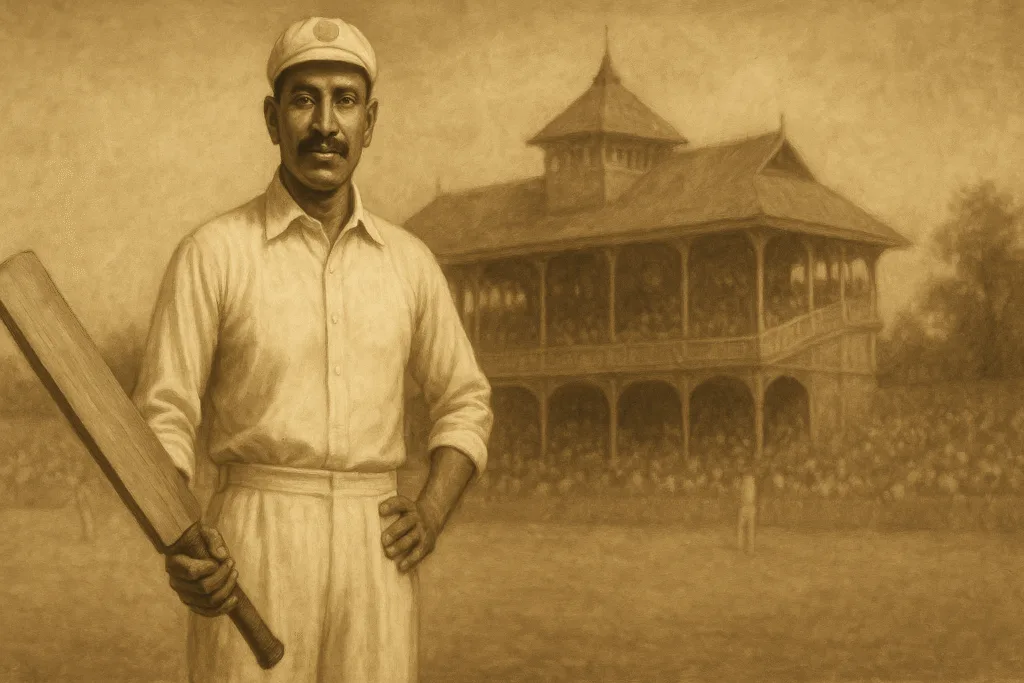
India Test Captain List: From CK Nayudu to Rohit Sharma – A Legacy of Leadership India’s journey in Test cricket began in 1932, and since then, it has evolved into one of the world’s premier cricketing nations. A major contributor to this evolution is the captaincy – a role that defines team strategy, morale, and national pride. This article covers the complete India Test captain list, along with key statistics, records, and leadership eras Full Chronological India Test Captain List The Beginning of India’s Test Era CK Nayudu became India’s first Test captain during the historic 1932 tour of England. Though India lost its inaugural match at Lord’s, Nayudu’s leadership symbolised the country’s cricketing awakening under British rule. Post-Independence Leadership (1947–1970) The post-independence period saw captains like Lala Amarnath, Vijay Hazare, and Nari Contractor steer India through turbulent transitions. Lala Amarnath led India to its first-ever Test series win (against Pakistan in 1952). These leaders focused on instilling national pride and fostering team unity in the early years. The Gavaskar & Kapil Dev Era (1970s–1980s) Sunil Gavaskar captained India during a crucial transition, focusing on consistency and discipline. His landmark series wins against the West Indies and England set the tone for India’s growth. Kapil Dev, India’s 1983 World Cup hero, brought flair and aggression, famously leading India to a memorable Test series win in England in 1986. The 1990s: A Decade of Instability The ’90s were marked by frequent leadership changes. Mohammad Azharuddin captained 47 Tests, showing flashes of brilliance, but was embroiled in controversies. Sachin Tendulkar struggled under the weight of expectations during his brief captaincy tenure. India was searching for a stable leader. The Ganguly Revolution (2000–2005) Sourav Ganguly rejuvenated Indian Test cricket with his bold decisions and support for young talent. Under his leadership, India won overseas, including the iconic 2001 Test series win over Australia. Ganguly fostered aggression, self-belief, and a new era of confidence. Dhoni’s Calm Reign (2008–2014) MS Dhoni brought calmness and strategic depth. He led India to the No.1 Test ranking in 2009. While his away record was poor, he dominated on home soil. Dhoni captained India in 60 Tests, the most until then, and laid the foundation for the next phase. Virat Kohli Era (2014–2022) Under Virat Kohli, India redefined fitness standards and aggression. With 40 wins in 68 matches, he is India’s most successful Test captain. India recorded historic series wins, including their first-ever Test series win in Australia (2018-19). Kohli’s tenure emphasised fast bowling, consistency, and dominance. Rohit Sharma, the persistent (2022-2025) Rohit Sharma took over amidst injury concerns and a transitional squad. Though still early in his tenure, he has displayed tactical maturity. As India eyes the World Test Championship and sustained overseas success, Rohit’s leadership remains crucial. Shubman Gill, the Prince Era (2025-present) Shubman Gill, known as the prince of India, becomes India’s next Test captain after Rohit Sharma’s retirement. And he will captain the team against England in a five-match Test series (Starting date 20/06/2025). The upcoming test series in England will be a big challenge for him and also a great chance to show his captaincy ability, along with his batting supremacy. Most Successful Indian Test Captains Notable Moments Under Different Captains Ganguly (2001): Series win vs Australia, comeback after follow-on. Dhoni (2009): India reaches No.1 Test ranking. Kohli (2018-19): Historic series win in Australia. Rohit (2023): WTC Final qualification with consistent home dominance. Conclusion From CK Nayudu to Rohit Sharma, Indian Test captaincy has evolved from symbolic representation to strategic supremacy. Each leader has left a distinct imprint, contributing to India’s rise as a global Test powerhouse. As the legacy continues, the baton of responsibility and pride passes on, inspiring the next generation of Indian cricketers.